Get Instant Flavor: The Microbial Terroir of Sourdough
In the high Madonie mountains of Sicily, where the air is scented with wild thyme and broom, the bread tastes different. It isn’t just the wheat or the water. It is the Microbial Terroir.
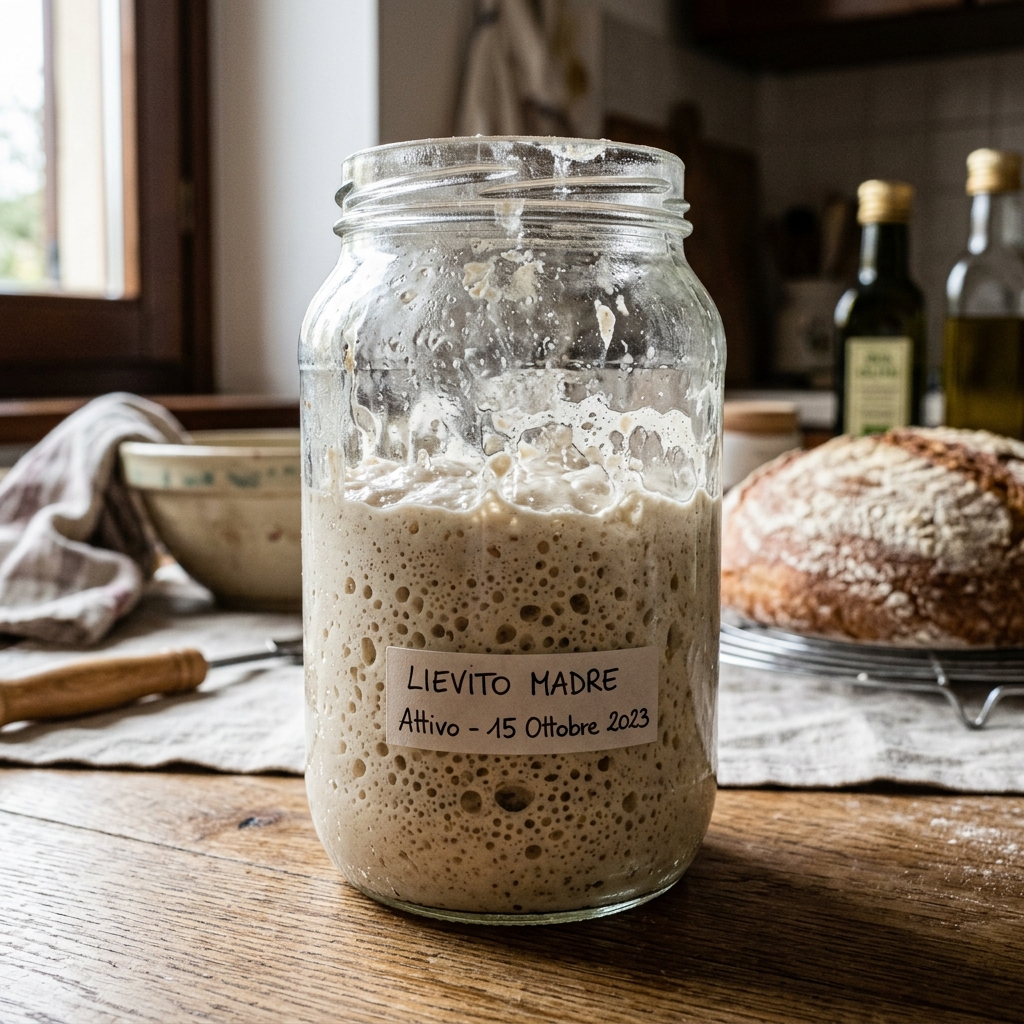
Artisan sourdough (Lievito Madre) is not a static ingredient. It is a living, breathing ecosystem—a cooperative colony of wild yeasts and lactic acid bacteria (LAB). Today, we look at the hidden microbiology that gives Mediterranean sourdough its soul.
1. The Cooperative Colony: Yeast vs. LAB
A healthy heritage starter is not a single organism. It is a complex balance between two primary groups:
- Wild Yeasts (Saccharomyces and Candida): These are the "Engineers." They consume simple sugars and produce the Carbon Dioxide that gives the bread its lift.
- Lactic Acid Bacteria (Lactobacillus): These are the "flavor alchemists." They produce organic acids (lactic and acetic) that create the signature tang and provide the bio-preservation qualities that keep heritage bread fresh for weeks.
2. Why Biodiversity Matters
Modern commercial yeast is a mono-culture. It is predictable, fast, and one-dimensional. In contrast, a diverse Sicilian madre contains dozens of different microbial strains.
- Technical Benefit: A diverse colony is inherently more resilient. It can adapt to different temperatures and hydration levels.
- Nutritional Benefit: The interaction between different bacteria types leads to the breakdown of phytic acid, which unlocks the minerals in the heritage wheat and makes the bread significantly more digestible.
3. The Mediterranean Profile
Studies on Mediterranean sourdough communities show a specific dominance of Lactobacillus sanfranciscensis and Saccharomyces cerevisiae, but with a high degree of local variation.
- The Environment: In Sicily, the microflora is influenced by the proximity to the sea and the wild herbs in the air. This "Microbial Fall" (the dust of microbes falling from the air) means a starter in Palermo will behave and taste differently than one in the mountains of Enna.
- The "Heritage Backup": By reusing a portion of the dough daily (the rinfresco), bakers have maintained these specific local microbial communities for centuries.
4. The Chemistry of Flavor
The biodiversity of your starter directly dictates the Flavor Profile of your loaf:
- Lactic Acid (Creamy/Yogurt): Produced by LAB at higher temperatures and higher hydration.
- Acetic Acid (Vinegar/Tang): Produced by LAB at cooler temperatures and lower hydration (stiff starters).
- Secondary Metabolites: The complex interactions between different wild yeasts produce esters and alcohols that give heritage bread its nutty, fruity, and floral notes.
"To encourage a diverse microbial community, use a portion of stone-ground Tumminia integral flour in your weekly feedings. The high mineral content and natural microbial load on the heritage grain hull act like a gourmet buffet for your wild yeasts."
The Heritage Verdict
When you bake with sourdough, you are not just making food; you are hosting a biological gala. By respecting the biodiversity of your madre, you are ensuring that the ancient flavors of Sicily live on in every crumb.
A presto,
Mamma Rosa
The Heritage Science Series
Deepen your understanding of Mediterranean culinary chemistry: